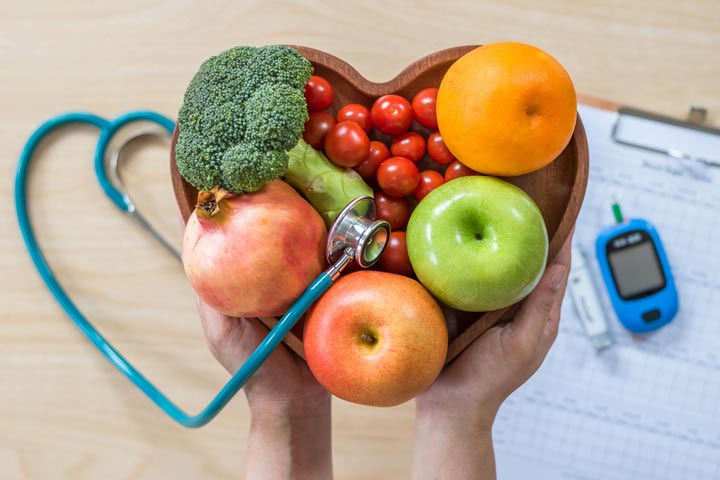
Healthy meal planning can make it easier to develop balanced eating habits and manage weight over time. A successful weight loss program should include nutritious foods, sensible portions, and meals that fit your daily routine. Planning ahead helps reduce last-minute food choices and makes grocery shopping more organised. Rather than following restrictive diets, focus on building a sustainable eating pattern that supports your health and energy needs.
1. Include a Variety of Nutritious Foods
A balanced meal should provide essential nutrients from different food groups. Include vegetables, fruits, whole grains, protein sources, and suitable dairy products or fortified alternatives.
For example, eggs with whole-wheat bread can make a practical breakfast, while lentils with vegetables and roti can provide a balanced lunch. Variety helps make a weight loss program more satisfying and easier to maintain.
2. Plan Balanced Meals in Advance
A weight loss program becomes easier to follow when you prepare meals in advance. Create a weekly meal plan, write down breakfast, lunch, dinner, and snacks, and prepare a shopping list based on your needs.
Planning ahead helps you make healthier food choices, save time, and stay within your household budget. Choose simple meals that fit your schedule and food preferences.
3. Pay Attention to Portion Sizes
Even nutritious foods can contribute more energy than you need when portions are consistently larger than appropriate.
Try filling about half your plate with vegetables, one-quarter with protein foods, and the remaining quarter with whole grains or other suitable carbohydrate sources. Individual needs vary, so adjust portions according to hunger, activity, and health requirements.
4. Choose Protein and Fiber-Rich Foods
Protein and fiber can help meals feel satisfying and support overall nutrition. Include foods such as eggs, beans, lentils, fish, chicken, yogurt, oats, fruits, and vegetables.
Whole grains and legumes also provide important nutrients and can be affordable choices for everyday cooking.
5. Prepare Healthy Snacks and Drinks
Planning snacks can help you make thoughtful choices when hunger develops between meals. Keep convenient options available, such as fresh fruit, plain yogurt, a small portion of nuts, or sliced vegetables.
Water is a useful everyday drink, while sugary beverages can add substantial calories without providing much fullness. A flexible weight loss program should allow practical snacks and drinks that suit your preferences.
6. Track Progress and Adjust Your Plan
Reviewing your meals and habits can help you understand what works best for your routine. Keep simple notes about meals, hunger, energy, and progress rather than judging every food choice.
If preparing elaborate dishes becomes difficult, choose easier recipes and repeat meals you enjoy. A sustainable weight loss program should be adaptable, nutritionally balanced, and realistic enough to follow consistently.
Final Thoughts
Healthy meal planning is about creating habits that support gradual, sustainable weight management rather than seeking quick results. Choose a variety of nutritious foods, plan meals ahead, manage portions, and include protein and fiber throughout the day. Make room for your cultural preferences, budget, and favourite dishes so your eating pattern remains practical.